Author: Marieta Peycheva
@M_Peycheva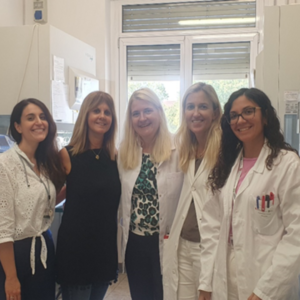
When I joined the ESO Emerging Leader Programme in 2024, I set out to address an important gap in stroke and cerebrovascular care in Bulgaria: the limited awareness and under-recognition of cerebral amyloid angiopathy (CAA). Three years later, the programme has helped transform this idea into a growing national initiative while providing invaluable opportunities for learning, collaboration, and professional development.
CAA is a common cerebral small vessel disease and a major cause of lobar intracerebral haemorrhage and cognitive decline. Despite its clinical importance, Bulgaria lacked a dedicated registry, referral pathways, and coordinated expertise in this field. My project, “Virtual Hospital for Patients with Cerebral Amyloid Angiopathy in Bulgaria,” aimed to establish the foundations for a national system supporting the diagnosis, management, and research of CAA.

One of the first steps was conducting a nationwide survey among Bulgarian healthcare professionals to assess current knowledge and clinical practice. The results revealed significant challenges in awareness, diagnostic confidence, and access to specialised investigations, highlighting the need for a coordinated national approach.
Building on these findings, we established a multidisciplinary expert network bringing together neurologists and neuroradiologists to discuss complex cases and provide recommendations for diagnostic evaluation and management. We also began developing the first national CAA registry in Bulgaria, creating a foundation for future research and improved patient care.
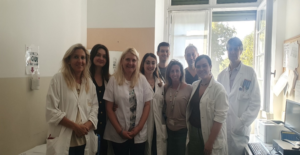
The ESO Emerging Leader Programme played a crucial role in shaping this project. Participation in the ESO Edinburgh Stroke Research Workshop helped refine the initial concept, while the ESO Focused Workshop on CAA and a Department-to-Department observership at the Carlo Besta Neurological Institute in Milan provided valuable clinical and research experience. These opportunities allowed me to learn from leading European experts and gain insight into multidisciplinary approaches for rare cerebrovascular diseases.
Beyond the project itself, the programme offered numerous opportunities for leadership development and international collaboration. Through ESO working groups, webinars, guideline activities, and interactions with fellow Emerging Leaders, I developed new skills in scientific communication, networking, and collaborative research. Some of the most rewarding outcomes have been the lasting professional relationships and multinational collaborations that continue beyond the programme.
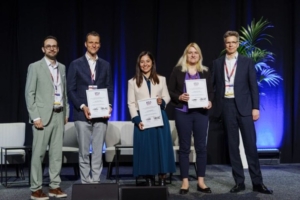
One of the biggest challenges was building awareness for CAA to many healthcare professionals in Bulgaria. Establishing new pathways and networks required engagement across multiple institutions and specialties. However, this challenge also became one of the most fulfilling aspects of the project, demonstrating how collaboration can drive meaningful change.
Looking ahead, the next steps include expanding the national registry, strengthening multidisciplinary consultations, and further integrating Bulgaria into international research initiatives focused on cerebral small vessel diseases. My ultimate goal is to improve the recognition and management of CAA while ensuring that patients have access to specialised expertise and evidence-based care.
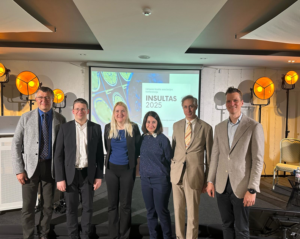
I am deeply grateful to the European Stroke Organisation, the Emerging Leader Programme, and my mentor, Professor Anna Bersano, for their guidance and support throughout this journey. The experience has reinforced my belief that progress in healthcare is built through collaboration, education, and a shared commitment to improving patient outcomes.
Are you an early-career stroke professional looking to develop your leadership skills, expand your international network and drive change in your own country? Applications for the ESO Emerging Leaders Programme are now open until 31 August 2026.
Learn more and apply now.
ESOC is Europe’s leading forum for advances in research and clinical care of patients with cerebrovascular diseases. ESOC 2027 will live up to its expectation, and present to you a packed, high quality scientific programme including major clinical trials, state-of-the-art seminars, educational workshops, scientific communications of the latest research, and debates about current controversies. Learn more.
