Author: Anna Gardin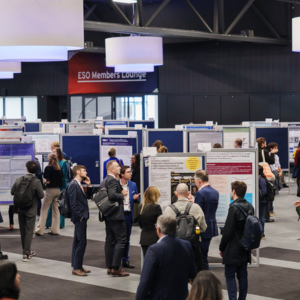
Walking through the poster exhibition at the 12th European Stroke Organisation Conference in Maastricht was an exciting experience. Here are four studies that stopped me in my tracks.
Air pollution and stroke outcomes
Fiona Huber and colleagues tackled a cutting-edge topic with their poster, “LONG-TERM EXPOSURE TO AIR POLLUTION (PM2.5 AND NO2) AND ITS ASSOCIATION WITH CLINICAL OUTCOMES AFTER ACUTE ISCHAEMIC STROKE.” Air pollution is an established stroke risk factor, and this Swiss research group examined its impact on 1,446 acute ischaemic stroke patients hospitalised between 2015 and 2022. Average annual exposure to PM2.5 and NO2 was estimated using geocoded residential addresses. Higher PM2.5 exposure was associated with greater stroke severity at admission (higher median NIHSS, p=0.008), more cardioembolic aetiology (p<0.001), and more ICA/MCA tandem occlusions (p<0.001). Interestingly, patients with higher PM2.5 exposure also presented with shorter prehospital delays, longer acute care stays, fewer EVT complications, and better adjusted 3-month functional recovery (mRS 0–2: OR 1.052; 95% CI: 1.001–1.106). Higher NO2 exposure, by contrast, was linked to poorer excellent outcomes (mRS 0–1: OR 0.975; 95% CI: 0.951–1.000) and more recurrent strokes (p=0.005). These findings reinforce the need for greater awareness, among patients, clinicians, and researchers alike, of how air quality affects both stroke risk and recovery, including countries with potentially lower pollution exposure levels. Sexual health after stroke
Monica Serrano and her Spanish colleagues drew attention to an often-overlooked post-stroke deficit with their poster, “SEXUAL HEALTH IMPAIRMENT AMONG POST-STROKE PATIENTS: AN OBSERVATIONAL STUDY.” From a prospective cohort of up to 340 eligible patients, 35 were ultimately included. Participants were contacted six months after their stroke to assess sexual activity, function, and body image, and to explore links with mood and quality of life. Before the stroke, 91.4% reported a satisfactory sex life; afterwards, 71% resumed sexual activity. No significant differences between sexes were found in mRS scores, quality of life, or depression and anxiety prevalence. However, nearly half of participants (48.6%) reported sexual dysfunction, with women more affected than men. The low response rate (10.9%) underscores the sensitivity of this topic, and the impressive high prevalence of this deficit highlights the urgent need for tailored assessment tools and counselling services within stroke care pathways.
Ultrasound in the hybrid Mobile Stroke Unit
Radim Licenik and colleagues presented an innovative contribution from the pre-hospital setting: “USE OF POINT-OF-CARE AND INTERVENTIONAL ULTRASOUND MODULES DEVELOPED FOR HYBRID MOBILE STROKE UNITS.” Hybrid Mobile Stroke Units (h-MSUs) are specialised ambulances designed to respond not only to stroke but to a broader range of neurological emergencies. Equipped with mobile CT scanners, ultrasound, X-ray, ECG, EEG, and advanced point-of-care laboratory equipment, they can deliver neurointensive care in pre-hospital settings. The Czech MSU team, in collaboration with the World Organisation of Neurosonology POCUS/FoCUS working group, developed a multimodule POCUS programme applicable across healthcare settings. The MSU-POCUS module integrates cardiac, medical, neurological, vascular, and interventional modalities, and was deployed during a trial in the Zlín-Valmez region of Czechia from October to December 2023. The results confirm that MSU-POCUS is a feasible, safe, and efficient tool that adds meaningful diagnostic capability to standard pre-hospital care.
Sex and socioeconomic disparities among stroke patients in Tanzania
Finally, Joshua Ngimbwa from Tanzania passionately presented compelling work with the e-poster “SEX AND SOCIOECONOMIC DIFFERENCES IN RISK FACTORS, CLINICAL PRESENTATION, AND THIRTY-DAY OUTCOMES OF STROKE PATIENTS AT TERTIARY HOSPITALS IN TANZANIA.” Low- and middle-income countries largely contribute to the global stroke burden in terms of incidence, mortality, and disability-adjusted life years (DALYs). While sex differences and socioeconomic status are well-documented determinants of stroke outcomes in high-income settings, evidence from Tanzania remains limited and inconsistent, despite recent national efforts to establish stroke units and a stroke registry. This ongoing multicentre prospective cohort study aims to evaluate sex- and socioeconomic-related differences in vascular risk factors, clinical presentation, and 30-day outcomes among adults admitted with neuroimaging-confirmed stroke to three major tertiary hospitals. Socioeconomic status is measured using a standardised composite index adapted from the Demographic and Health Survey wealth scale, with a target sample of 630 participants over one year. This work has the potential to inform more equitable, context-specific stroke care strategies in sub-Saharan Africa, and we look forward to seeing the final results.
ESOC is Europe’s leading forum for advances in research and clinical care of patients with cerebrovascular diseases. ESOC 2026 will live up to its expectation, and present to you a packed, high quality scientific programme including major clinical trials, state-of-the-art seminars, educational workshops, scientific communications of the latest research, and debates about current controversies. Learn more.
